
How to Handle a Financial Emergency in Florida
Written by: Jacob S.
Published on:


Financial emergencies can happen to anyone, but in Florida, they often arrive with a distinct set of challenges. From hurricane damage and extreme heat events to fluctuating hospitality income, many residents face sudden, high-stakes expenses that demand quick, well-informed decisions.
This guide provides a clear, practical breakdown of available options, with a focus on responsible borrowing, realistic expectations, and safer alternatives that Florida residents can act on today.
Key Takeaways
- Florida's climate and economy create unique financial vulnerabilities, from hurricane damage and AC failures to seasonal income gaps
- Not every unexpected expense qualifies as a true emergency; the test is whether delay worsens health, safety, or income
- Always exhaust no-cost options first: savings, assistance programs, insurance claims, and personal networks
- If borrowing becomes necessary, installment loans offer predictable fixed payments and fast funding for qualifying residents
- Licensed, state-regulated lenders provide the strongest consumer protections for Florida borrowers
- Borrowing more than can realistically be repaid turns one emergency into two
Why Florida Residents Face Unique Financial Emergencies
Florida's climate, economy, and infrastructure create conditions where unexpected expenses aren't just possible; they're common. Understanding the local context helps residents plan more effectively and respond with less panic when a crisis hits.
Hurricane Season and Storm Damage
Each year, Florida residents contend with hurricanes, tropical storms, and flooding. Even households with adequate insurance coverage can find themselves scrambling for immediate cash. Deductibles, claims delays, and expenses that fall outside policy limits are all realistic scenarios that leave a funding gap in the aftermath of a storm.
Extreme Heat and AC Failures
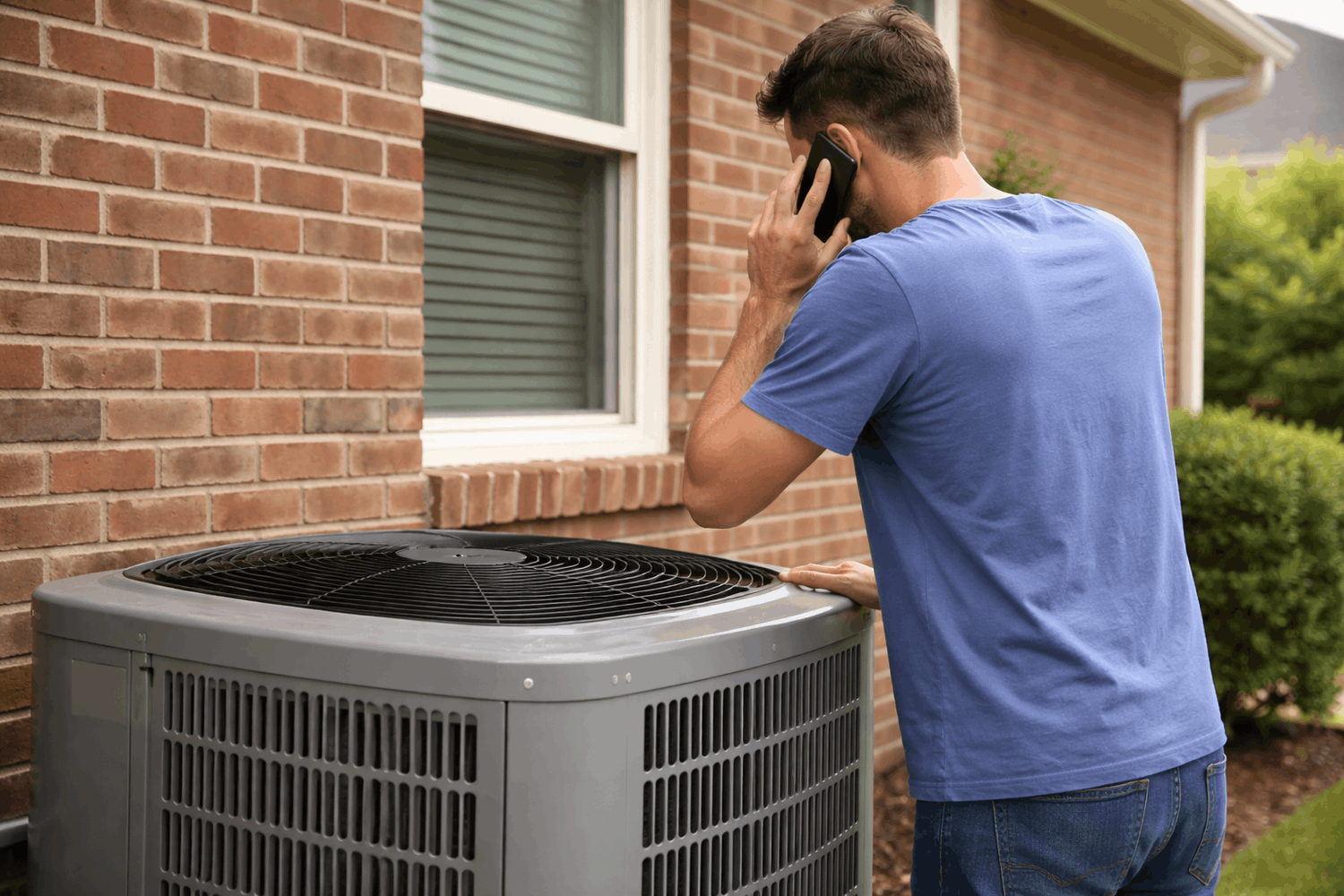
In Florida's climate, air conditioning is a health necessity, not a convenience. A failed AC unit can require emergency repairs or full replacement, with costs that frequently reach into the thousands. With summer temperatures regularly exceeding 90°F, delaying this repair isn't a viable option for most households.
Tourism and Hospitality Income Gaps
A significant portion of Florida's workforce is employed in tourism, hospitality, and gig-based roles where income is inherently variable. Off-season slowdowns, sudden job interruptions, or reduced hours can quickly destabilize household finances, particularly for workers without a savings cushion.
Rising Insurance and Housing Costs
Florida has experienced some of the steepest increases in home insurance premiums and rental costs in the country. As these fixed expenses rise, the margin for building and maintaining emergency savings continues to shrink for many households.
What Qualifies as a Financial Emergency?
Not every unexpected expense constitutes a true financial emergency. Generally speaking, an emergency is an unforeseen, necessary cost that must be addressed immediately, where delay would worsen the situation, threaten health or safety, or jeopardize income.
Common qualifying emergencies in Florida include:
- Emergency home repairs (roof damage, flooding, AC failure)
- Urgent medical or dental bills
- Vehicle repairs required for work or essential transportation
- Temporary income loss or significant reduction in hours
- Evacuation or relocation costs during storm events
If the expense can be postponed without meaningful consequence, it may be worth exploring non-debt solutions before acting.
Emergency Cash Options in Florida
The right solution depends on timeline, credit profile, and overall financial stability. Before taking on any debt, it's worth evaluating every available option, starting with the lowest-cost alternatives.
| Option | Best For | Speed | Cost | Key Consideration |
|---|---|---|---|---|
| Emergency savings | Anyone with a cushion | Immediate | None | Rebuild the fund after use |
| Assistance programs | Disaster or hardship situations | Slow (days to weeks) | None | Always explore this first when eligible |
| Insurance claims | Home, auto, or medical events | Moderate | Deductibles apply | File promptly and review coverage limits |
| Family or friends | Those with trusted personal networks | Fast | None to low | Set written repayment terms upfront |
| Credit cards | Short-term gaps with quick repayment | Immediate | High if balance carried | Best when paid off within 1 to 2 billing cycles |
| Installment loans | Those without savings or low-cost credit access | Fast (often same or next day) | Moderate, varies by lender | Compare APR, fees, and lender licensing carefully |
1. Emergency Savings
For those who have them, savings remain the safest and least costly way to cover emergency expenses. There are no interest charges, no approval requirements, and no repayment obligations. Rebuilding that cushion after the emergency should be the next priority.
2. Disaster Relief and Assistance Programs
Depending on the nature of the emergency, Florida residents may qualify for federal or state assistance. FEMA disaster relief, state emergency funds, and nonprofit organizations all provide support in qualifying situations. These options should always be explored first when applicable; they represent real money that does not require repayment.
3. Insurance Claims
Home, auto, and health insurance policies may cover portions of emergency costs. Filing a claim promptly and understanding what the policy covers, including deductible amounts, can significantly reduce out-of-pocket expenses.
4. Credit Cards
Credit cards offer immediate access to funds with no application process for existing cardholders. However, carrying a balance at high interest rates can make this option expensive over time. Credit cards work best when the balance can be repaid in full within one to two billing cycles.
5. Family or Friends
Borrowing from trusted personal connections can be a lower-cost alternative to formal lending. When pursuing this route, setting clear repayment terms in writing helps protect the relationship and establishes mutual accountability.
6. Installment Loans
For residents without savings or access to low-cost credit, installment loans can offer a structured, predictable path to emergency funding. Understanding how these loans work and comparing lenders carefully is essential before committing.
Explore options for installment loans online to understand how digital applications and funding timelines work.
Why Florida Residents Use Installment Loans for Emergencies
Installment loans have become a practical tool for emergency expenses in Florida because they combine speed with payment predictability, two factors that matter most in a crisis.
- Fast access to funds: Many reputable lenders offer same-day or next-business-day funding. For a Tampa Bay homeowner waiting on an insurance adjuster after a hurricane, or an Orlando hospitality worker facing a gap between paychecks in the January off-season, that turnaround can be the difference between a manageable situation and a cascading one.
- Fixed monthly payments: Unlike revolving credit products, installment loans carry a set repayment schedule with fixed monthly payments. This makes it easier to budget around the loan and understand the full cost before signing, particularly useful for Florida households already stretched by rising insurance premiums.
- Availability for varied credit profiles: Some installment loan lenders evaluate factors beyond credit scores alone, including income stability and banking history, making financing more accessible for borrowers with imperfect credit histories. This matters in a state where many workers rely on seasonal or gig-based income that does not always reflect stable creditworthiness.
- Flexible loan amounts: Borrowers can often select an amount that corresponds specifically to their emergency need. An emergency AC repair in South Florida, for example, typically runs between $500 and $2,500, depending on the unit and severity.
- Being able to borrow a targeted amount, rather than drawing on a high-interest credit card or maxing out a line of credit, helps keep total repayment costs in check. Some lenders set a minimum loan amount of $500, which aligns well with the lower end of common emergency repair costs in the state.
That said, installment loans are still a debt obligation. Interest rates, fees, and approval criteria vary significantly between lenders. Borrowing more than can be realistically repaid will worsen, not resolve, a financial emergency.
Financial emergencies are stressful, but the decisions made in the immediate aftermath have lasting consequences. Starting with the lowest-cost options available (savings, assistance programs, insurance claims, personal networks) before turning to borrowing gives residents the best chance of resolving the crisis without creating a new one.
When borrowing does become necessary, the focus should remain on transparency, affordability, and lenders who operate within Florida's consumer lending framework.
For residents ready to explore their options, installment loans in Florida offer a comparison of solutions designed specifically for the state's borrowers and regulatory environment.
