
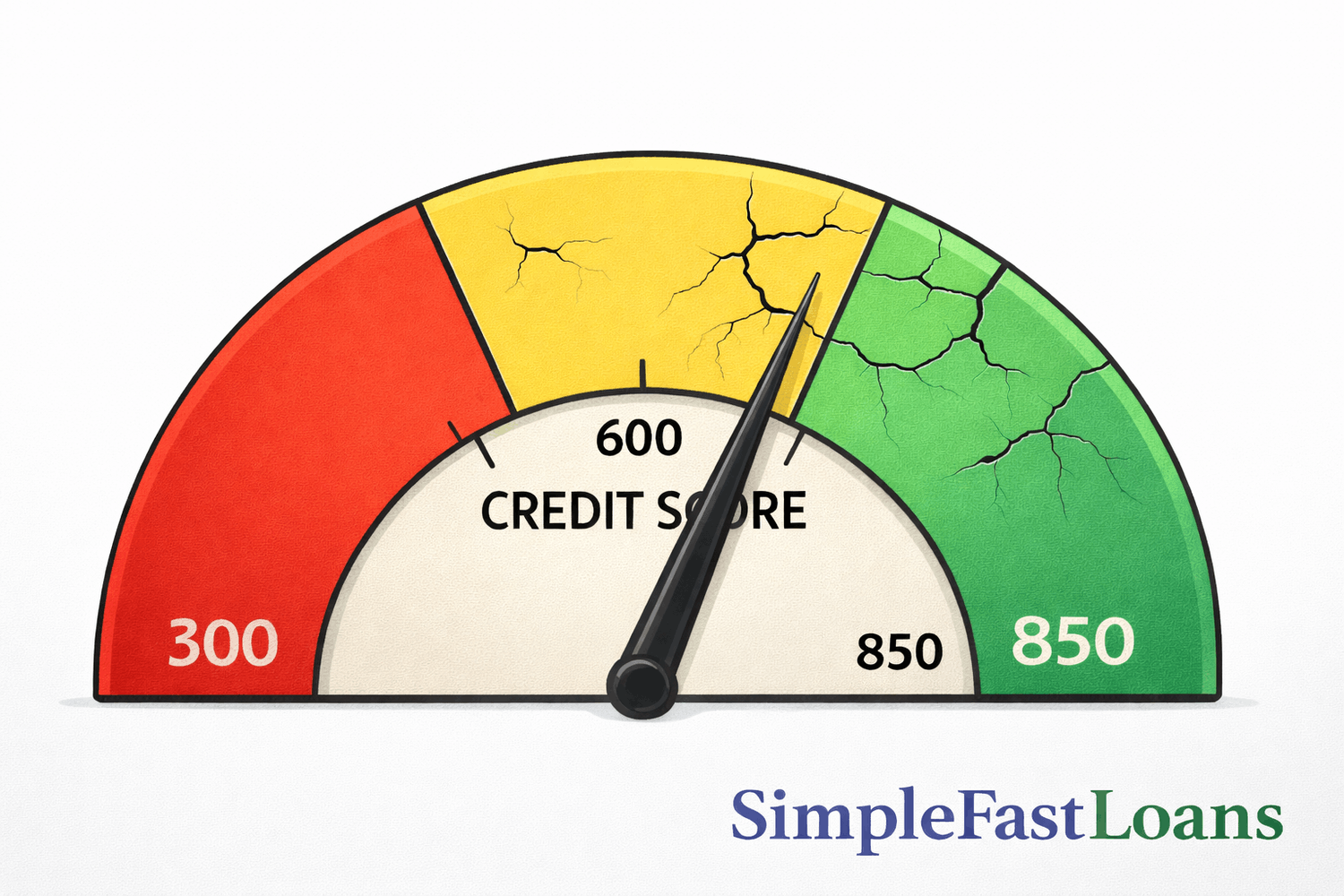
Does a Cash Advance Hurt Your Credit Score?
Written by: Jacob S.
Published on:


Cash advances can provide quick access to funds, but they often come with financial trade-offs that are not immediately obvious. Many borrowers wonder whether taking a cash advance will damage their credit score. The answer depends on how the cash advance is used, how it affects credit utilization, and whether it leads to ongoing debt.
Key Takeaways
- A cash advance does not directly hurt your credit score just for being taken
- It can indirectly lower your score by increasing your credit utilization ratio
- High credit utilization is a major factor in FICO scoring models
- Cash advance apps typically do not impact credit scores because they do not report to bureaus
- Interest begins accruing immediately, making a repayment strategy important
What Is a Cash Advance?
A cash advance allows a borrower to withdraw cash against an existing credit line, most commonly from a credit card. Instead of making a purchase, the cardholder is effectively borrowing cash that must be repaid with interest and fees.
Unlike standard transactions, cash advances are treated as higher-risk by lenders and are priced accordingly.
Common Types of Cash Advances
| Type | Description | Credit Impact |
|---|---|---|
| Credit Card Cash Advance | Withdraw cash from the available credit limit | Increases utilization |
| Cash Advance Apps | Small advances tied to income or deposits | Typically, no credit impact |
| Payday Loans | Short-term, high-cost borrowing | May impact credit if reported |
How Credit Utilization Affects Your Score
Credit utilization measures how much of your available revolving credit is currently being used. It is one of the most important components of your credit score and can shift quickly after a cash advance.
Why Utilization Is So Important
- It typically makes up a significant portion of your credit score calculation
- Higher utilization suggests greater financial risk to lenders
- Lower utilization demonstrates responsible credit management
Example of Credit Utilization Impact
| Scenario | Credit Limit | Balance | Utilization |
|---|---|---|---|
| Before Cash Advance | $5,000 | $1,000 | 20% |
| After $1,500 Advance | $5,000 | $2,500 | 50% |
In this scenario, the borrower’s utilization jumps from 20 percent to 50 percent. That change alone can trigger a noticeable drop in a credit score, even though no late payments have occurred.
Estimated Score Impact
| Utilization Level | Potential Score Effect |
|---|---|
| Below 30% | Generally positive or neutral |
| 30% to 50% | Moderate negative impact |
| Above 50% | Significant negative impact |
| Above 75% | High risk, larger score drop likely |
The key takeaway is that utilization changes can influence scores quickly, sometimes within a single billing cycle.
Does a Cash Advance Hurt Your Credit Differently Than Purchases?
From a credit scoring perspective, a cash advance does not hurt your credit differently than a regular purchase. Both increase your balance and, therefore, your utilization ratio.
However, the financial mechanics make cash advances riskier.
Key Differences
| Feature | Cash Advance | Regular Purchase |
|---|---|---|
| Interest Start | Immediate | After grace period |
| Interest Rate | Often higher | Standard APR |
| Fees | Cash advance fee applies | Usually none |
| Impact on Utilization | Yes | Yes |
| Credit Score Treatment | Same | Same |
Because interest begins immediately and fees are added upfront, balances from cash advances tend to grow faster. This can make it more difficult to reduce utilization quickly, increasing the likelihood of a prolonged credit score impact.
Do Cash Advance Apps Affect Your Credit Score?
Cash advance apps generally do not hurt your credit score because they operate outside traditional credit systems. Most do not perform hard credit inquiries and do not report usage or repayment activity to the major credit bureaus.
Why Cash Advance Apps Are Different
- No hard credit checks during approval
- No reporting to credit bureaus in most cases
- Advances are typically based on income patterns rather than creditworthiness
Comparison: Apps vs Payday Loans
| Feature | Cash Advance Apps | Payday Loans |
|---|---|---|
| Credit Check | No | Sometimes |
| Credit Reporting | No | May report |
| Fees | Low or optional | High fees and APRs |
| Credit Impact | None directly | Potential negative impact |
While these apps do not directly affect credit scores, misuse can still create financial strain. For example, repeated advances can reduce available income in future pay periods, increasing reliance on borrowing.
Can a Cash Advance Lower Your Score Over Time?
Yes, a cash advance can hurt your credit score over time if it leads to consistently high balances or ongoing debt.
How This Happens
- High utilization remains elevated across multiple billing cycles
- Interest accumulation slows down repayment progress
- Minimum payments keep balances high rather than reducing them
- Additional borrowing compounds the problem
Carrying a revolving balance forward does not help your credit score and can signal increased risk to lenders, especially when utilization stays above recommended levels.
The Cost Factor: Why Cash Advances Can Snowball
One of the most overlooked aspects of cash advances is how quickly costs can accumulate.
Typical Cost Structure
- Upfront cash advance fee, often 3 to 5 percent of the amount
- Higher APR than standard purchases
- No grace period, meaning interest starts immediately
This combination can make it difficult to reduce the balance, which in turn keeps utilization elevated and prolongs any negative credit impact.
Alternatives to Cash Advances and Other Loan Options
Before taking a cash advance, it’s important to compare other borrowing options when you need money that may be more affordable or have less impact on your financial health.
Personal Loans
Personal loans can be a more structured alternative to cash advances, especially for larger expenses. Fixed repayment schedule with predictable payments, typically lower APR than credit card cash advances, and may involve a hard credit check that can impact your score. Personal loans can be a better option if you need more time to repay and want to avoid high utilization spikes on a credit card.
Credit Card Purchases Instead of Cash Advances
If possible, using your credit card for purchases instead of withdrawing cash can reduce costs. A grace period may apply if paid in full, there is no cash advance fee, and while utilization impact is the same, repayment timing is easier to manage.
Cash Advance Apps
Cash advance apps can provide small, short-term funds without traditional credit implications. Most do not report to credit bureaus, have lower or optional fees, and come with smaller borrowing limits. These are better suited for covering minor gaps between paychecks rather than larger emergencies.
Payday Loans
Payday loans are widely available but come with significant risks. They typically carry extremely high fees and APRs, require short repayment windows, and can lead to cycles of debt. These should generally be considered only after exploring safer alternatives.
Payment Plans and Assistance Programs
In many cases, borrowing may not be necessary. Medical providers often offer interest-free payment plans, utility companies may provide hardship programs, and nonprofit assistance or grants may be available. Exploring these options first can help avoid unnecessary debt altogether.
Comparing Cash Advance Alternatives
| Option | Credit Impact | Cost Level | Best For |
|---|---|---|---|
| Credit Card Cash Advance | Indirect (via utilization) | High | Immediate emergency cash |
| Personal Loan | Yes (application + account) | Moderate | Larger expenses with repayment plan |
| Cash Advance Apps | None directly | Low to moderate | Small, short-term gaps |
| Payday Loan | Possible negative | Very high | Last-resort emergency |
| Payment Plans | None | Low or none | Bills and essential expenses |
Best Practices to Protect Your Credit
Smart Usage Tips
- Keep credit utilization below 30 percent whenever possible
- Pay off cash advance balances as quickly as possible
- Limit use of cash advances to true emergencies
- Track balances closely after taking an advance
When a Cash Advance May Make Sense
- A short-term emergency with no lower-cost alternatives
- A clear and immediate repayment plan is in place
- The amount borrowed is small relative to available credit
Common Mistakes to Avoid
- Treating a cash advance like a regular purchase
- Ignoring how quickly interest begins to accumulate
- Allowing balances to remain high for multiple billing cycles
- Relying on repeated advances to cover ongoing expenses
- Assuming no credit impact simply because the transaction itself is not penalized
A cash advance does not directly damage your credit score, but it can have a meaningful indirect impact through credit utilization and balance management. The combination of immediate interest, higher fees, and increased balances can make these transactions more costly and harder to repay than standard purchases. While cash advance apps offer an alternative that typically does not affect credit reporting, responsible usage is still essential. Managing utilization and paying down balances quickly are the most effective ways to protect your credit score when using any form of short-term borrowing.
Related Frequently Asked Questions (FAQs)
Here are questions people often ask about cash advances and credit:
Does a cash advance directly hurt your credit score?
No, a cash advance does not directly hurt your credit score. However, it can increase your credit utilization, which may lower your score if balances become too high.
Is a cash advance worse than a regular credit card purchase?
From a credit scoring standpoint, both affect utilization the same way, but cash advances are more expensive because interest starts immediately and fees apply.
Do cash advance apps affect your credit?
Most cash advance apps do not report to credit bureaus, so they typically do not impact your credit score directly.
What is better than a cash advance?
Depending on your situation, alternatives like personal loans, payment plans, or cash advance apps may offer lower costs and more manageable repayment terms.
How can I avoid hurting my credit after a cash advance?
Keep your credit utilization below 30 percent and pay off the balance as quickly as possible to minimize any negative impact.
