
Multi-Factor Authentication (MFA): What It Is, How It Works, and Why It Matters
Written by: Jacob S.
Published on:


In today’s digital financial landscape, protecting personal and financial information is no longer optional. From online banking to loan applications, sensitive data is constantly being transmitted and stored online. One of the most effective ways to safeguard this information is through Multi-Factor Authentication, commonly known as MFA. This guide explains what MFA is, how to use it, why it is required, and whether opting out is possible.
Key Takeaways
- Multi-Factor Authentication adds critical layers of security beyond passwords
- It is widely used across financial platforms to protect sensitive data
- Setup is simple and typically takes only a few minutes
- MFA significantly reduces fraud and unauthorized access risks
- Opting out is often not allowed for financial accounts and is not recommended
What Is Multi-Factor Authentication (MFA)?
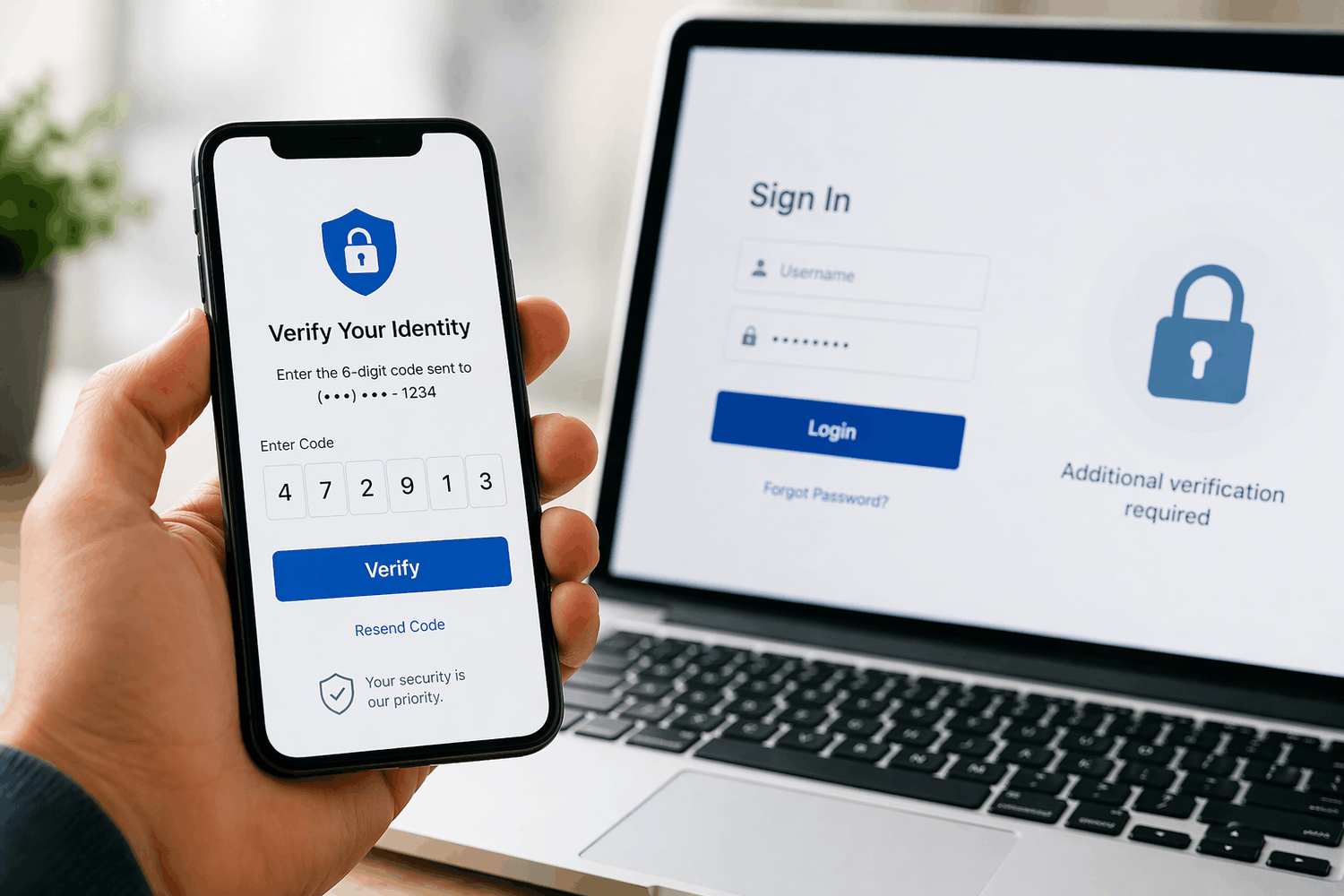
Multi-Factor Authentication (MFA) is a security process that requires users to verify their identity using two or more independent factors before gaining access to an account. Instead of relying solely on a password, MFA adds additional layers of protection, making it significantly harder for unauthorized users to gain access.
The Three Core Authentication Factors
| Factor Type | Description | Example |
|---|---|---|
| Something You Know | Information only the user should know | Password, PIN |
| Something You Have | A physical device in the user’s possession | Smartphone, authentication app, security key |
| Something You Are | Biometric data unique to the user | Fingerprint, facial recognition |
Example of MFA in Action
When logging into an online banking account, the process typically looks like this:
- Step 1: Enter username and password
- Step 2: Enter a one-time code sent to a phone or generated by an app
Even if a password is compromised, access is blocked without the second factor.
How Do You Use Multi-Factor Authentication (MFA)?
Using MFA is straightforward and typically involves a one-time setup followed by quick verification steps during login. Most financial platforms, lenders, and apps follow a similar setup process:
- Log in to the account settings or security section
- Enable Multi-Factor Authentication
- Choose a preferred verification method
- Complete initial verification to confirm setup
Common MFA Methods
| Method | How It Works | Best For |
|---|---|---|
| SMS Codes | A one-time code is sent via text message | Basic security needs |
| Authenticator Apps | Apps generate time-based codes | Higher security and reliability |
| Email Verification | Codes or links sent via email | Backup option |
| Biometric Authentication | Uses fingerprint or facial recognition | Mobile devices |
| Hardware Security Keys | Physical device inserted or tapped | Advanced security users |
Best Practices for Using MFA
- Use an authenticator app instead of SMS when possible
- Keep backup codes in a secure location
- Avoid using public devices when completing MFA
- Update phone numbers and recovery options regularly
Why Do You Need to Complete Multi-Factor Authentication (MFA)?
MFA is not just a technical requirement. It is a critical defense against financial fraud, identity theft, and unauthorized account access.
Key Reasons MFA Is Required
1. Protection Against Stolen Passwords
Passwords can be compromised through data breaches, phishing scams, and weak or reused credentials. MFA ensures that even if a password is stolen, access is still blocked without the second factor.
2. Safeguarding Financial Accounts
Accounts that often require MFA include online banking and credit accounts, loan applications and lender portals, and payment platforms and digital wallets. These accounts contain sensitive financial data that can be exploited if unsecured.
3. Regulatory and Compliance Requirements
Many financial institutions are required to implement MFA to comply with federal financial security guidelines, consumer data protection standards, and anti-fraud regulations. This is especially common for lenders, fintech platforms, and credit-related services.
4. Reduction in Fraud and Identity Theft
MFA significantly reduces the risk of unauthorized withdrawals or transactions, account takeovers, and fraudulent loan applications.
Real-World Impact
| Without MFA | With MFA |
|---|---|
| Password alone grants access | Multiple barriers block access |
| High risk of account takeover | Strong protection against fraud |
| Easier for hackers to exploit | Requires multiple verified credentials |
Using Multi-Factor Authentication in Finance
Multi-Factor Authentication plays a critical role in protecting financial accounts, where sensitive data and direct access to money make security especially important. Banks, lenders, and financial platforms use MFA to reduce fraud risk and verify that account activity is legitimate.
Common Use Cases in Banking and Finance
- Logging into online banking or mobile apps
- Transferring money between accounts or to external recipients
- Making large purchases or unusual transactions
- Updating personal information, such as passwords or contact details
- Accessing loan applications or financial dashboards
How MFA Protects Financial Activity
| Action | Without MFA | With MFA |
|---|---|---|
| Account Login | Password-only access | Requires additional verification |
| Money Transfers | Higher fraud risk | Identity confirmed before approval |
| Account Changes | Easier unauthorized updates | Extra step prevents misuse |
| Loan Access | Vulnerable to takeover | Secured with layered authentication |
Why It Matters for Consumers
Financial accounts are frequent targets for fraud, including account takeovers and unauthorized transactions. MFA adds a critical barrier that helps ensure only the authorized user can complete sensitive actions. While it may add a few seconds to the process, it significantly reduces the risk of financial loss and identity theft.
How Simple Fast Loans Handles Identity Verification
Simple Fast Loans uses a multi-step verification process designed to protect user information while keeping the experience straightforward. To learn more about the company’s approach to security, transparency, and account protection, visit Simple Fast Loans and review our consumer disclosures.
For new users, identity is confirmed after application submission through a one-time passcode sent via SMS. This helps verify the phone number and prevent fraudulent activity. Many devices support automatic code detection, allowing the code to be filled in quickly.
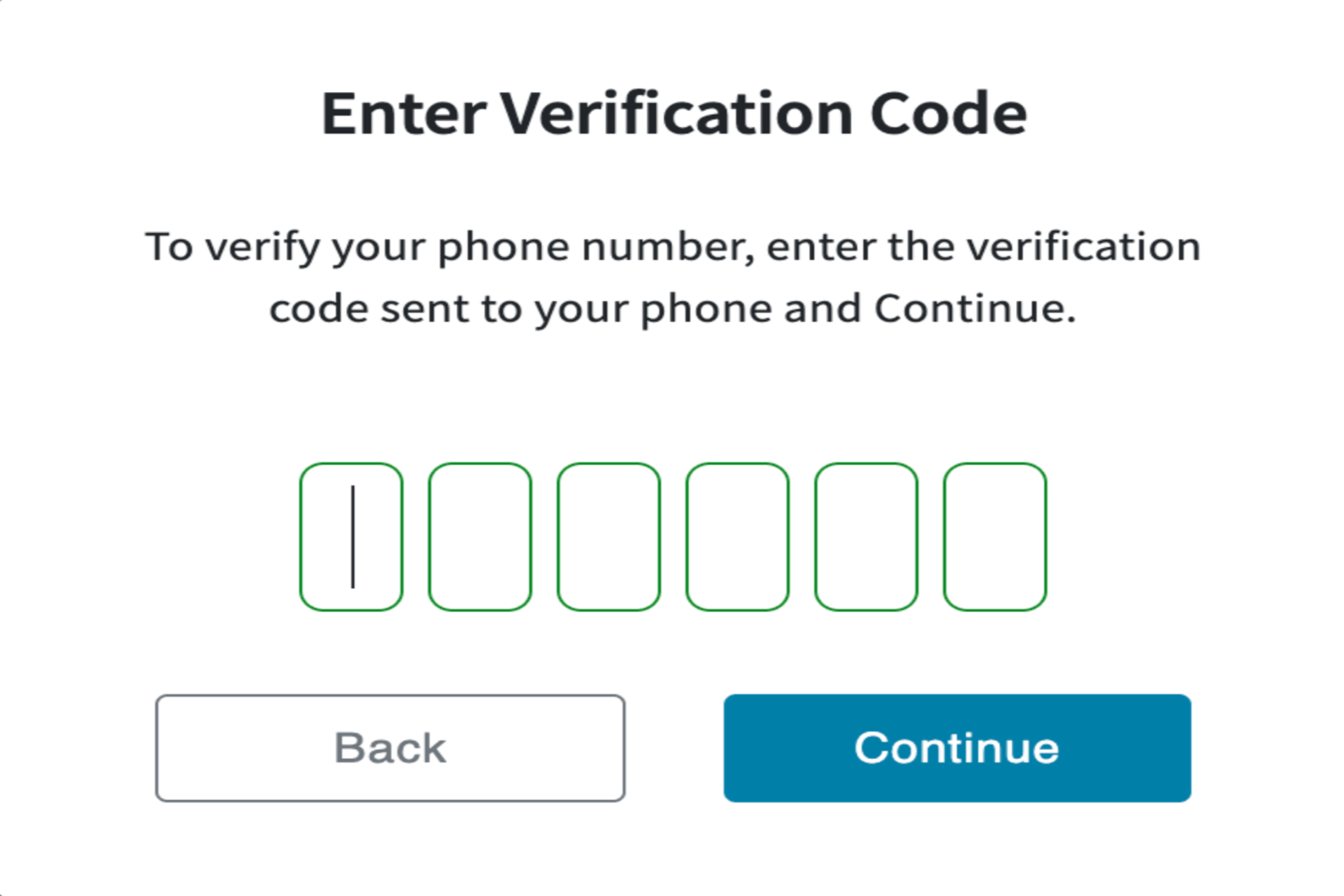
For existing users with specific account types, an additional step is required. Users first enter their Social Security number and date of birth to access their application, followed by SMS verification after submission. This layered approach strengthens security while keeping the process efficient.
Can You Opt Out of Multi-Factor Authentication (MFA)?
In most cases, opting out of MFA is either restricted or strongly discouraged, especially for financial accounts.
When Opting Out May Be Possible
Some platforms allow limited flexibility, such as optional MFA settings for low-risk accounts, temporary disablement during account recovery, or alternative verification methods instead of full opt-out.
When MFA Is Mandatory
Many financial services require MFA with no opt-out option, including online banking platforms, loan and lending portals, investment and brokerage accounts, and payment services.
Risks of Opting Out
Disabling MFA exposes accounts to increased vulnerability to hacking, a higher likelihood of financial loss, and greater exposure to identity theft.
Safer Alternatives to Opting Out
Instead of disabling MFA, consider switching to a more convenient method, such as biometrics, using an authenticator app instead of SMS, or setting trusted devices for quicker login.
As digital financial services continue to expand, security measures like MFA are becoming standard rather than optional. While it may add an extra step during login, the protection it provides far outweighs the minor inconvenience. For anyone managing money online, applying for loans, or accessing financial tools, enabling and properly using MFA is one of the most effective steps to protect personal and financial well-being.
Final Thoughts
As digital financial services continue to expand, security measures like MFA are becoming standard rather than optional. While it may add an extra step during login, the protection it provides far outweighs the minor inconvenience. For anyone managing money online, applying for loans, or accessing financial tools, enabling and properly using MFA is one of the most effective steps to protect personal and financial well-being.
