
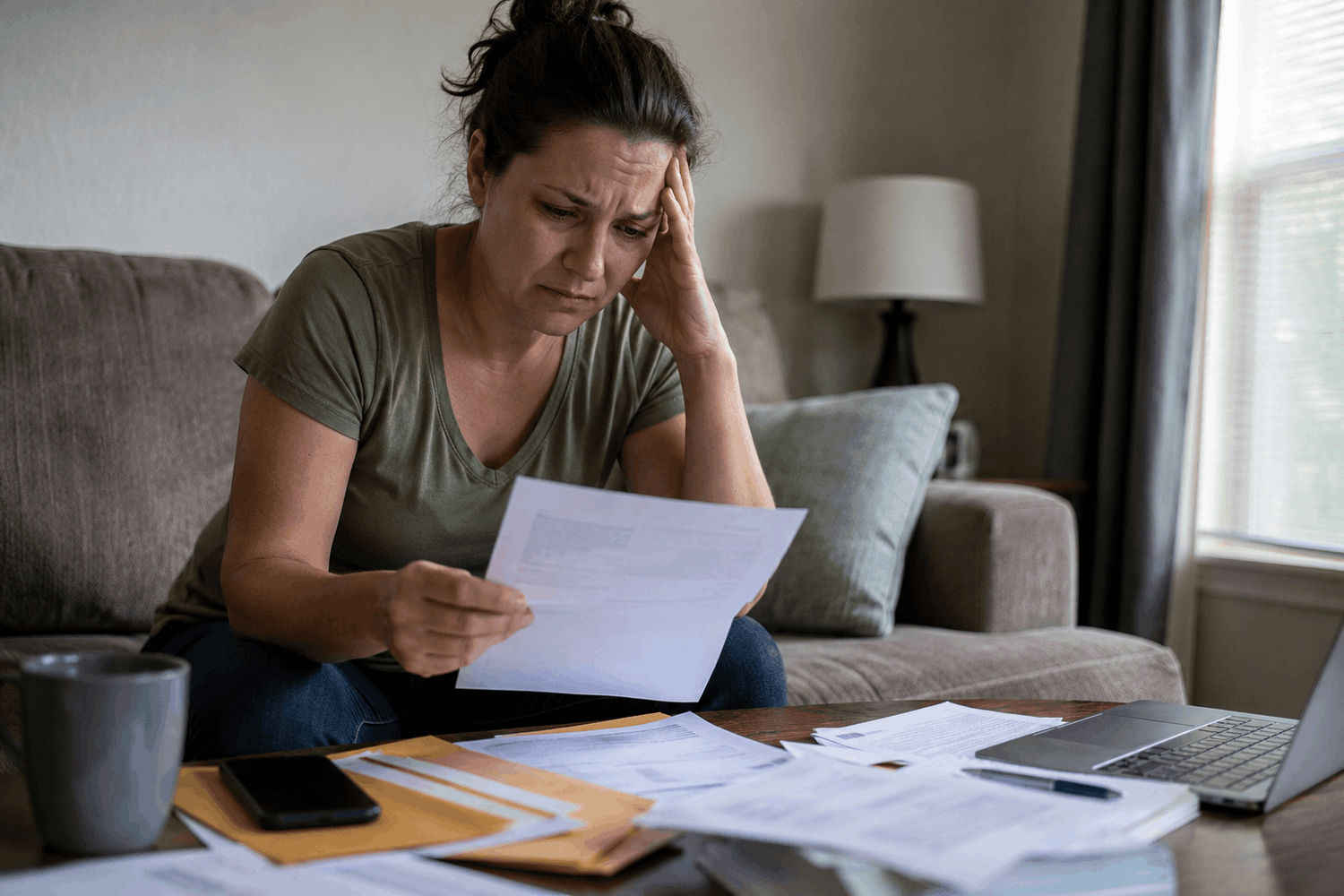
What Is a Charge-Off and What Should You Do?
Written by: Jacob S.
Published on:


Seeing the words “charged off” on your credit report can feel overwhelming, especially if you thought the debt had already disappeared or been forgiven.
Many people assume that a charge-off means a lender has given up collecting the debt. In reality, it usually means the exact opposite: the account has become seriously delinquent after months of missed payments, and the lender has officially classified it as unlikely to be repaid.
By the time an account reaches charge-off status, borrowers are often already facing financial hardship, rising interest charges, collection calls, or the stress of juggling bills after a job loss, medical emergency, divorce, or other major life event.
The good news is that a charge-off does not permanently destroy your financial future. But it is important to understand what it means, how it affects your credit, and what steps you should take next.
Note: If you are struggling to manage multiple debts or are unsure how to move forward, working with a nonprofit credit counselor may help you review your options and build a realistic repayment plan. Learn more about how credit counseling works before deciding whether it is the right next step.
Key Takeaways
- A charge-off happens when a lender labels a debt as unlikely to be collected after months of missed payments.
- A charge-off does not erase your debt — you may still owe the balance and face collections or legal action.
- Charge-offs can seriously damage your credit score and remain on your credit report for up to 7 years.
- Creditors may sell charged-off debt to collection agencies or debt buyers.
- Paying a charge-off may improve lending opportunities, but it does not automatically remove the negative mark from your credit report.
- The statute of limitations for lawsuits is separate from the 7-year credit reporting timeline.
What Is a Charge-Off?
A charge-off happens when a lender decides a debt is unlikely to be collected after a long period of missed payments. Most credit card accounts are charged off after 180 days of missed payments, while installment loans may be charged off earlier, depending on the lender and loan agreement. The creditor then marks the account as a loss for accounting and tax purposes.
Charge-offs commonly happen with:
- credit cards
- personal loans
- unsecured lines of credit
- and some medical financing accounts
Even after a debt is charged off, you may still owe the balance, face ongoing collection efforts, have the debt sold to a collection agency, or potentially face legal action, depending on your state laws and the age of the debt.
To see how a charged-off account fits into the total you owe, read what happens when outstanding debt is charged off.
Why Do Lenders Charge Off Debt?
Many people think lenders charge off accounts because they “give up.” That is not usually the case.
Banks and lenders are often required by accounting rules and banking regulations to classify severely delinquent debt as a loss after a certain period of nonpayment. This helps financial institutions clean up their balance sheets, report losses accurately, maintain reserve requirements, and comply with federal banking standards.
Even after the lender writes the debt off internally, they may still aggressively attempt to collect the money.
In many cases, lenders:
- continue internal collections,
- hire third-party collectors,
- or sell the debt to debt buyers for a fraction of the balance.
What Happens Before a Charge-Off?
Charge-offs rarely happen suddenly. In most cases, borrowers go through several months of escalating delinquency before the account is officially charged off.
Typical Timeline Before a Charge-Off
|
Time Late |
What Usually Happens |
|
30 days late |
Late payment reported to credit bureaus |
|
60 days late |
Additional fees and collection calls begin |
|
90 days late |
Serious delinquency damages credit further |
|
120–180 days late |
The account may be closed or restricted |
|
180+ days late |
Account charged off |
But the financial impact usually starts long before the official charge-off appears. During this period, borrowers may face penalty interest rates, reduced credit limits, frozen accounts, mounting late fees, nonstop collection calls, overdraft issues, and rapidly falling credit scores.
For many people, charge-offs happen during periods of financial hardship—not reckless spending. Job loss, inflation, medical bills, family emergencies, caregiving responsibilities, or inconsistent gig work income can quickly make debt unmanageable.
How Does a Charge-Off Affect Your Credit Score?
A charge-off is considered a major derogatory mark on your credit report and can significantly damage your credit score.
That damage often begins before the charge-off itself because multiple missed payments are usually reported first.
Why Charge-Offs Hurt So Much
Payment history is one of the most important factors in credit scoring models. A charge-off signals to future lenders that you failed to repay a debt as agreed, the account became severely delinquent, and the lender ultimately considered the debt a financial loss.
Depending on your overall credit profile, a charge-off can substantially lower your credit score, make loan approvals harder, increase interest rates, reduce your chances of credit card approval, affect apartment applications, and sometimes even impact employment screenings.
People with previously strong credit often see larger score drops because they had more positive history to lose.
How Long Does a Charge-Off Stay on Your Credit Report?
In most cases, a charge-off stays on your credit report for 7 years from the original delinquency date. This is important because many consumers mistakenly believe that making a payment restarts the 7-year credit reporting period or that paying the debt automatically removes the charge-off from their credit report.
Generally, neither is true. A charge-off can remain on your credit report even after you pay the debt in full, settle the balance, or close the account. However, the account status may update to show terms like “paid charge-off,” “settled,” or “paid after charge-off.”
Charge-Off Reporting Timeline vs. Statute of Limitations
These are not the same thing.
Credit Reporting Timeline
This determines how long the charge-off appears on your credit report, usually, about 7 years from the original delinquency date.
Statute of Limitations
This determines how long a creditor or collector can sue you for the debt.
The statute of limitations:
- varies by state,
- depends on debt type,
- and may sometimes restart if you make a payment or acknowledge the debt in writing.
Because state laws vary significantly, it may be wise to speak with a consumer attorney before making payments on very old debt.
What Happens After a Charge-Off?
After a debt is charged off, several different things may happen.
1. The Original Creditor May Keep Collecting
Some lenders continue internal collection efforts even after charging off the account. You may still receive calls, letters, emails, or settlement offers from the creditor or collection agency.
2. The Debt May Be Sold
Many charged-off debts are sold to debt buyers for less than the full balance. The new owner of the debt may then attempt to collect from you. Sometimes this creates confusion because consumers begin hearing from companies they do not recognize.
3. Collection Accounts May Appear
In some cases, the original charge-off remains on your report, and a separate collection account appears. This can create additional credit damage.
4. Settlement Offers May Begin
Collectors may offer reduced lump-sum settlements, payment plans, or hardship arrangements. Some consumers settle debts for less than the full amount owed.
5. Legal Action Could Happen
Not every charge-off leads to a lawsuit. However, creditors and debt buyers sometimes sue borrowers for unpaid balances—especially for larger debts. If a creditor wins a judgment, they may potentially pursue wage garnishment, bank levies, or liens depending on your state laws.
Ignoring court notices can make the situation much worse.
What Should You Do After a Charge-Off?
The best strategy depends on your financial situation, income, assets, and long-term goals. But there are several smart first steps most consumers should consider.
1. Review Your Credit Reports Carefully
Start by checking:
- the account balance,
- dates,
- payment history,
- ownership information,
- and whether duplicate accounts appear.
Errors are common, especially when debts are sold multiple times. You can access free credit reports through AnnualCreditReport.com.
2. Verify Who Owns the Debt
The original lender may no longer own the account. Before sending money, request debt validation, verify the collector’s authority, and confirm that the balance is accurate. Never assume that the collection information is automatically correct.
3. Evaluate Your Financial Situation First
Do not panic and rush into agreements you cannot afford.
Many consumers make mistakes after a charge-off by draining retirement accounts, taking payday loans, borrowing from high-interest lenders, or agreeing to unrealistic payment plans.
Before paying large amounts toward charged-off debt, review your budget, prioritize essential bills, understand your legal risks, and consider speaking with a nonprofit credit counselor.
Need to cut spending? Expenses to cut first to save money
4. Consider Repayment or Settlement Options
There are several possible approaches.
Pay in Full
Paying the entire balance updates the account to “paid charge-off.” While the negative mark may remain, some lenders view paid charge-offs more favorably during underwriting.
Although paying does not guarantee a major credit score increase, this can sometimes help when applying for:
- mortgages,
- auto loans,
- or apartment rentals.
Negotiate a Settlement
Some creditors accept less than the full balance owed.
For example:
- A $5,000 debt may settle for $2,500 to $4,000.
Settlements can reduce collection pressure and resolve debt faster, but settled accounts may still negatively affect your credit report. Always get settlement agreements in writing before sending payment.
Set Up a Payment Plan
If you cannot afford a lump sum, you may be able to negotiate monthly payments. Be realistic about what you can truly afford, as missing payments on a settlement agreement could restart collection problems.
Charge-Off vs. Collection Account
These terms are related, but they are not the same thing.
|
Charge-Off |
Collection Account |
|
Original lender marks debt as uncollectible |
Debt is actively being collected |
|
Accounting status |
Collection activity |
|
Usually reported by original creditor |
Usually reported by collection agency |
|
Can exist without collections |
Often appears after charge-off |
In some cases, both accounts appear simultaneously on your credit report.
What to Avoid Doing After a Charge-Off
Consumers sometimes make rushed decisions out of fear or embarrassment.
Avoid:
- Ignoring court notices
- Taking predatory payday loans
- Paying without verifying the debt
- Emptying retirement savings
- Signing agreements you do not understand
Collection pressure can feel intense, but slowing down and understanding your options often leads to better financial decisions.
How to Rebuild Credit After a Charge-Off
Recovery takes time, but rebuilding is possible. Many people eventually recover from charge-offs and qualify for loans again.
- Make Every Current Payment On Time. Positive recent payment history matters heavily in credit scoring.
- Lower Credit Card Balances. Reducing utilization may help improve scores over time.
- Avoid Additional Missed Payments. New negative marks can substantially slow recovery.
- Consider Credit-Building Accounts. Responsible use of certain financial accounts may help rebuild positive credit history over time, including some accounts that build credit when managed carefully.
- Monitor Your Credit Reports. Watch for reporting errors or outdated information.
- Build Emergency Savings. Even small savings cushions can help prevent future missed payments during emergencies.
How To Avoid Charge-Offs in the Future
If you are struggling financially, acting early often creates more options.
Before accounts become severely delinquent, you may be able to:
- request hardship assistance,
- defer payments temporarily,
- negotiate reduced payments,
- refinance debt,
- or work with nonprofit credit counselors.
Lenders are often more flexible before accounts reach charge-off status.
Waiting too long can reduce your options significantly.
Related Frequently Asked Questions (FAQs)
Here are frequent questions people often ask about charge-offs:
Can You Still Be Sued After a Charge-Off?
Yes. A charge-off does not prevent legal action. Whether you can still be sued depends on your state’s statute of limitations, the amount owed, the age of the debt, and whether the debt owner chooses to pursue litigation.
Even if a debt is old, do not assume it is automatically unenforceable. Always verify who owns the debt, whether the balance is accurate, and whether the statute of limitations may still apply.
Is a charge-off worse than a late payment?
Yes. A charge-off is considered a major derogatory mark and usually happens after several months of missed payments.
Does paying a charge-off remove it from your credit report?
Usually it's not possible to remove a derogatory mark from your credit report. The account may update to “paid charge-off,” but the negative mark can remain for up to 7 years from the original delinquency date.
Can you get a loan after a charge-off?
Yes, it is possible to get a loan after a charge-off. Some lenders approve borrowers with previous charge-offs, but approval may depend on your income, current debt levels, recent payment history, and how much time has passed since the charge-off occurred.
You may face higher interest rates until your credit improves.
What is the difference between a charge-off and debt forgiveness?
A charge-off means the lender classified the debt as a loss for accounting purposes. Debt forgiveness means the creditor agreed you no longer owe the balance. They are not the same thing.
Should you pay off old charged-off debt?
It depends on:
- the age of the debt,
- your financial goals,
- potential lawsuit risks,
- and whether you are applying for major loans soon.
Because state laws vary, consider speaking with a qualified professional before making payments on very old debts.
Can a charge-off stop you from renting an apartment?
It can. Some landlords check credit reports and may view unpaid charge-offs negatively, especially if they are recent or tied to unpaid utility or housing-related debts.
Can a Charge-Off Create a Tax Bill?
Sometimes, yes. If a lender forgives or cancels part of a debt, the IRS may treat the forgiven amount as taxable income.
You could receive a Form 1099-C showing canceled debt income.
For example, if you owe $10,000 and settle the debt for $4,000, the remaining $6,000 could potentially be considered taxable income. However, exceptions may apply in situations involving bankruptcy, insolvency, or certain hardship conditions.
Consider speaking with a tax professional if large amounts of debt are forgiven.
To see how exclusions like bankruptcy or insolvency work, read about when canceled debt can become taxable.
Should You Try a “Pay for Delete”?
Some consumers attempt to negotiate a “pay for delete,” where a collector removes negative information after payment.
However, many creditors refuse to do this, major lenders often will not participate, and credit bureaus generally discourage the practice. There is no guarantee it will work.
Be cautious of credit repair companies promising guaranteed charge-off removal.
Can You Remove a Charge-Off From Your Credit Report?
You usually cannot remove an accurate charge-off early unless the information is incorrect, the account is being reported improperly, or the creditor voluntarily removes it.
However, you should absolutely dispute inaccurate information. Common reporting errors include wrong balances, duplicate reporting, incorrect delinquency dates, and accounts that do not belong to you.
If the information is accurate, the charge-off generally remains until the reporting period expires.
